Understanding Youth Mental Health
A unique blend of cultural values, intergenerational trauma, and systemic pressures shapes AANHPI mental health. AAPI youth report a rise in psychological distress, often balancing collectivist family expectations with individualistic American culture, while navigating harmful “model minority” stereotypes and discrimination.
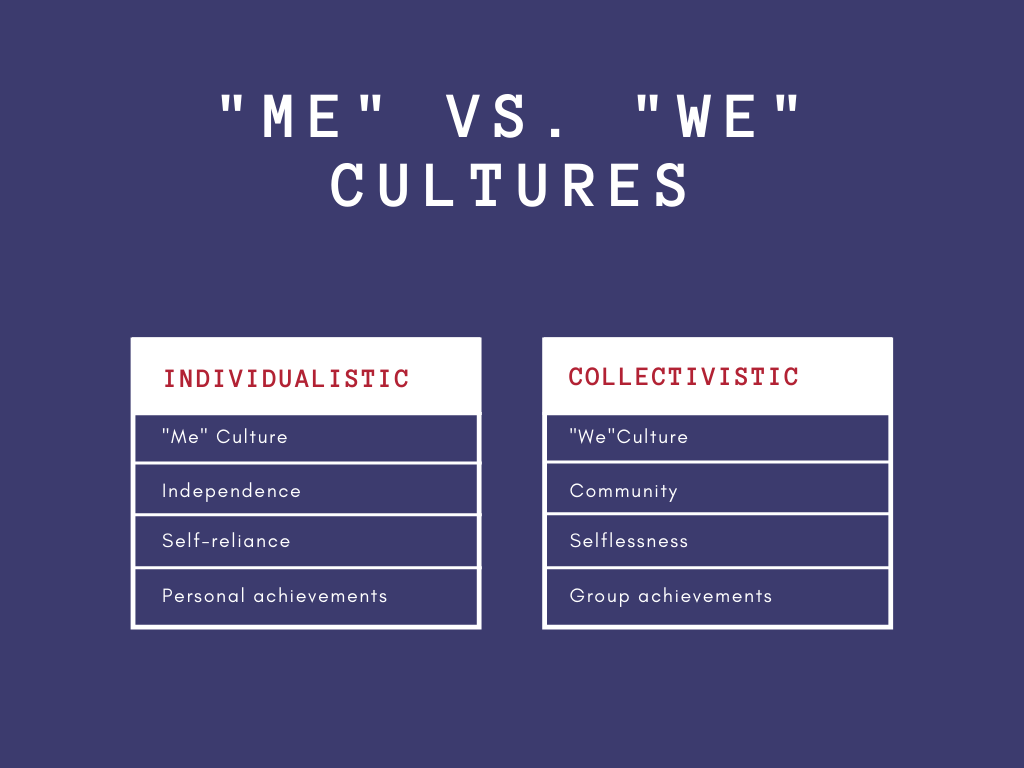
Collectivist values prioritize family honor and unity. This can make teens feel guilty or ashamed if they struggle, fearing that discussing mental health will bring disgrace or burden their parents.
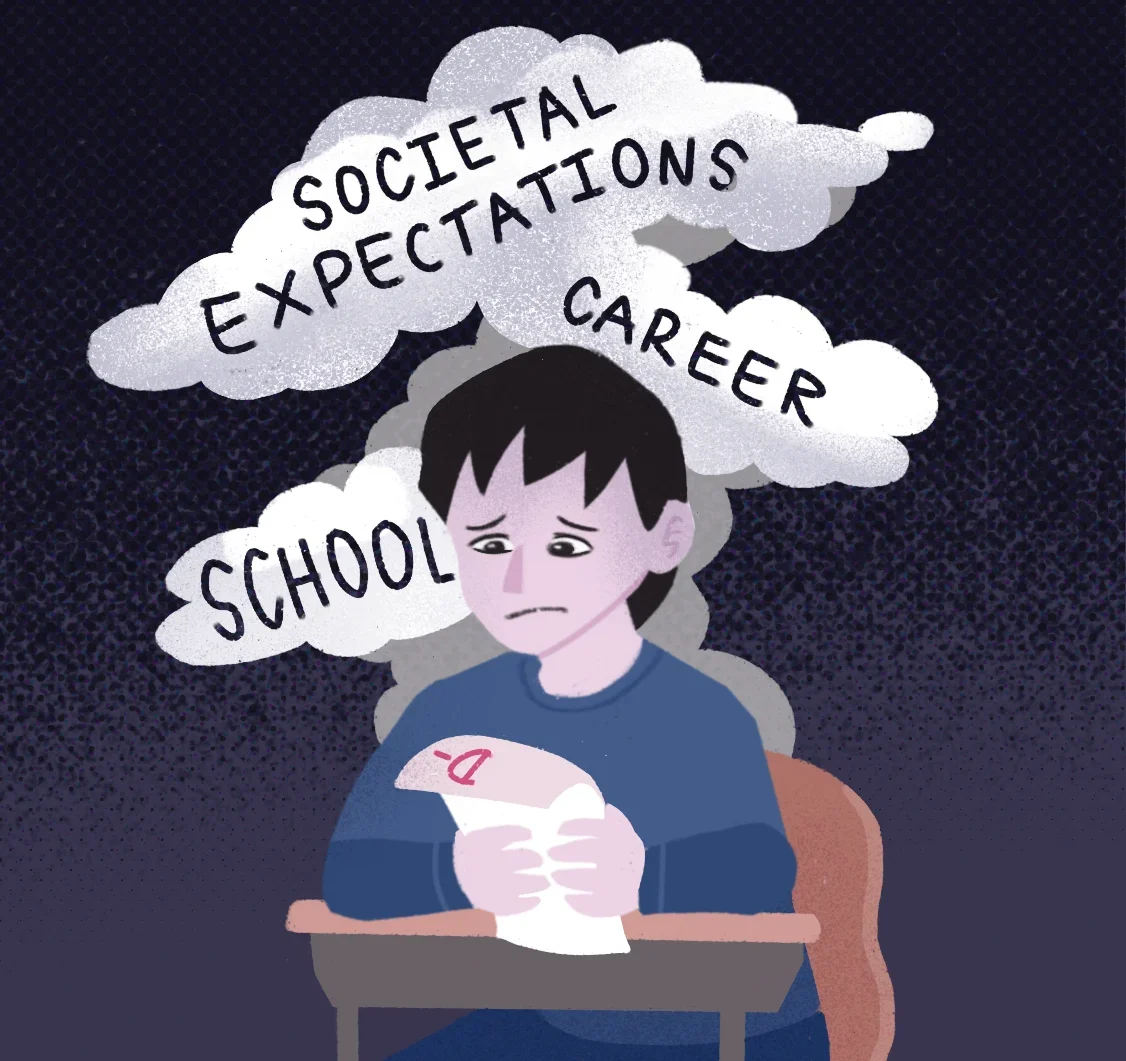
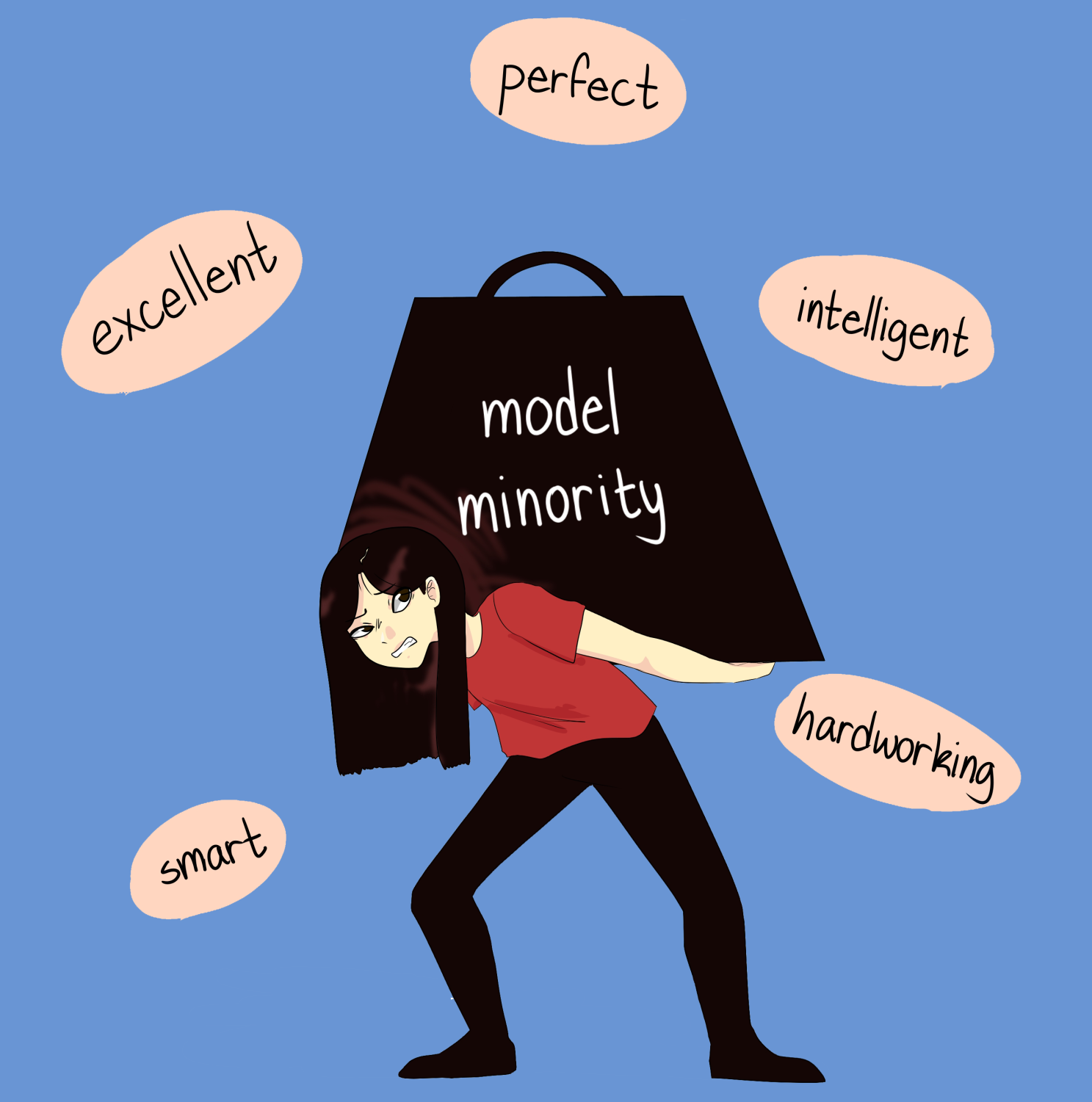
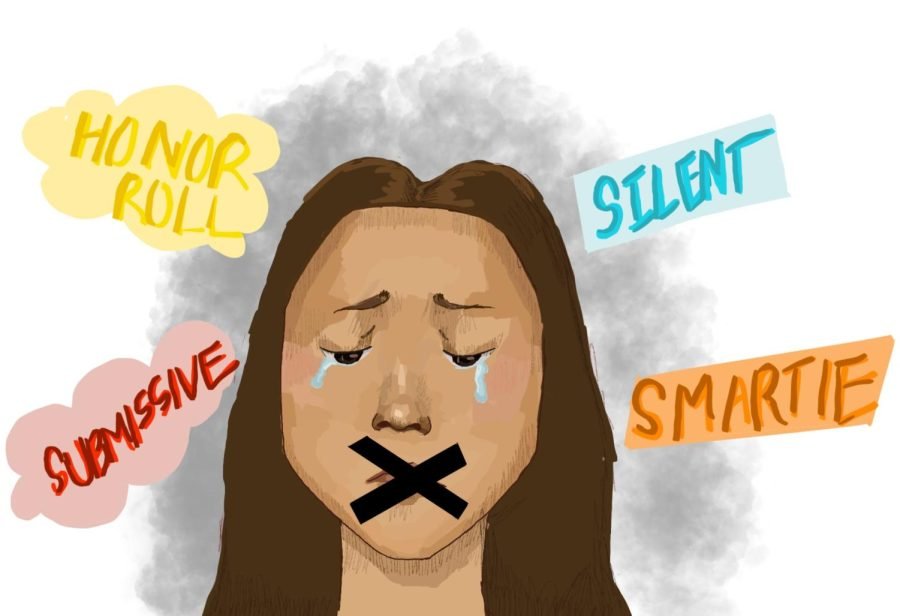
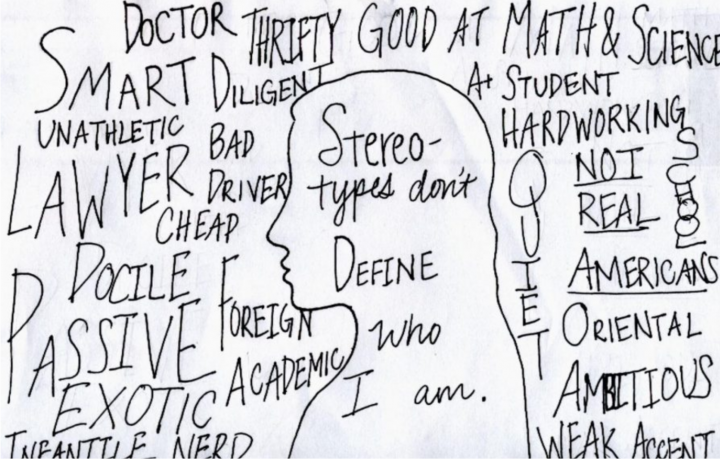
The pervasive stereotype that AAPI individuals are naturally high-achieving and problem-free creates immense pressure to succeed academically and can invalidate real emotional struggles, leading teens to hide their pain.

In Asian cultures, "saving face" refers to maintaining one’s dignity, social standing, and reputation. It is a vital social currency prioritizing harmony, respect, and community cohesion over direct confrontation. Causing someone to "lose face" leads to deep embarrassment and damages vital interpersonal relationships.
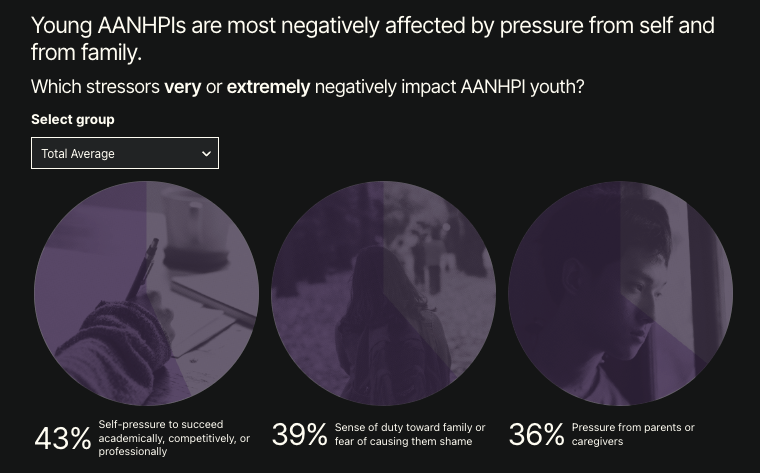
Data from The Asian American Foundation (TAAF)
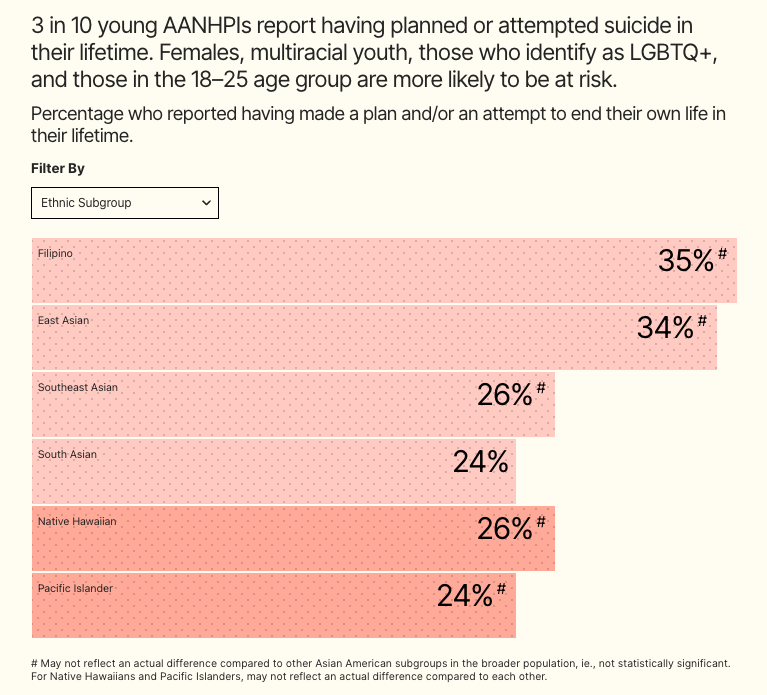
Data from The Asian American Foundation (TAAF)

Adverse Childhood Experiences
Adverse childhood experiences, or ACEs, are potentially traumatic events that occur in childhood (0-17 years).
