May 21st, 2026 Community Scan
This community scan helps us better understand the environments where residents live, work, learn, and socialize. These findings will help guide coalition priorities, identify areas for prevention and education efforts, inform policy discussions, and support data-driven decision-making as we work to reduce youth substance use and promote community wellbeing.
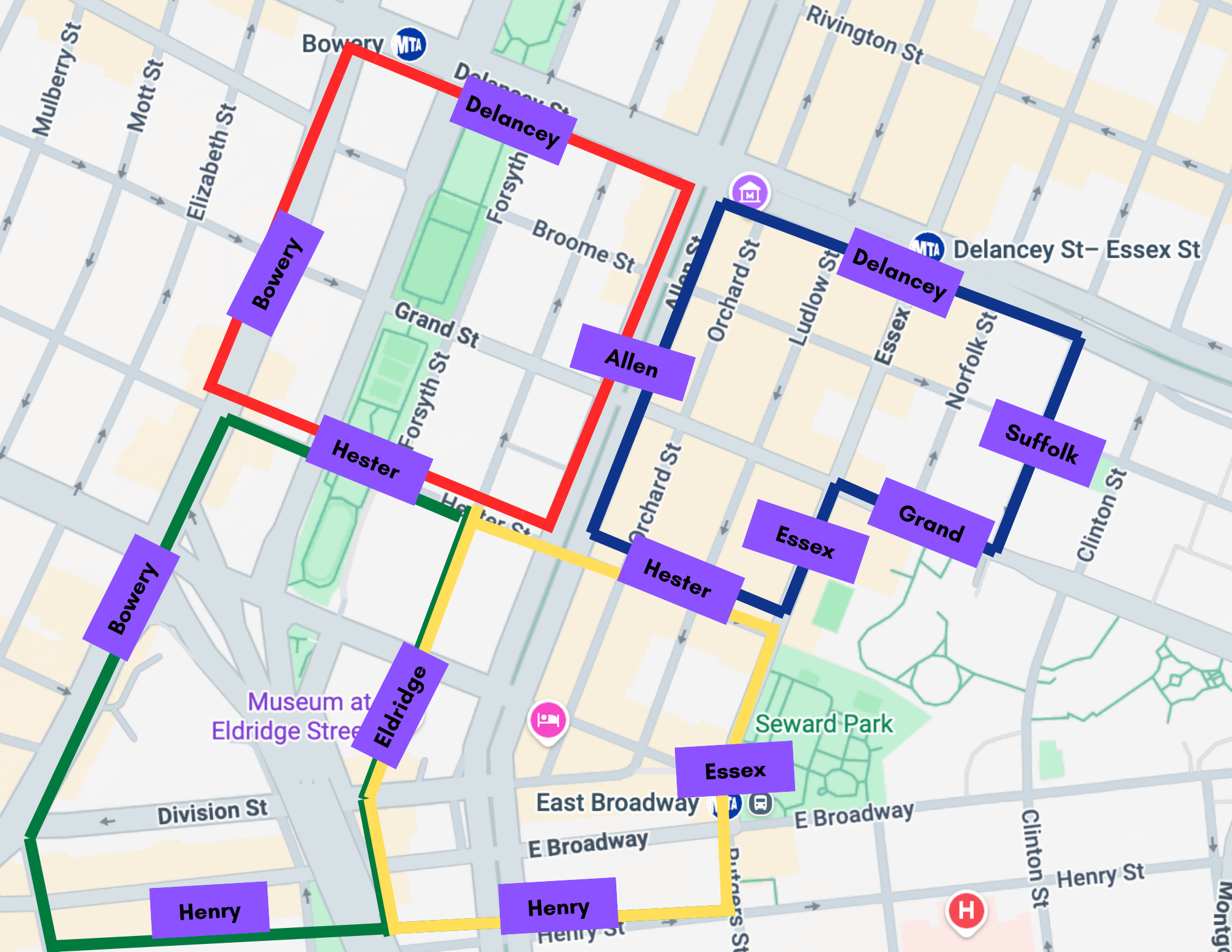
Map of the area analyzed in the community scan. Area covered by 4 teams of 3 personnel, duration 2 hours.
Risk Factors
The high number of vacant storefronts is particularly noteworthy and may reflect economic instability, commercial turnover, or opportunities for future unregulated business activity. The presence of cannabis retailers, liquor stores, and bars contributes to youth exposure to substance-related environments and highlights the importance of continued prevention education, compliance efforts, and community awareness initiatives.
The cannabis environment appears to be:
storefront-centered rather than street-centered,
normalized through visible retail locations,
integrated into everyday commercial activity.
Even though only 4 licensed dispensaries were identified, smoke/cannabis shops may create additional exposure beyond officially licensed cannabis businesses. There was no entry into the businesses to confirm or deny suspicions of cannabis retail.
This matters because research shows repeated exposure to cannabis retail environments can:
increase perceived acceptability of cannabis,
lower perceived risk among youth,
and normalize substance use behaviors.
Major Environmental Concern: Vacant Storefronts (106)
The very high number of vacant storefronts may indicate:
economic instability,
commercial turnover,
neighborhood disinvestment,
or rapid redevelopment/gentrification pressures.
Vacant storefronts are important in substance use prevention because they can:
contribute to perceptions of disorder,
reduce neighborhood cohesion,
create opportunities for unregulated businesses,
and negatively affect community mental wellbeing and safety perceptions.
Health Infrastructure
This area has basic health infrastructure, but appears to lack dedicated treatment or recovery services.
This may indicate:
limited access to behavioral health care,
insufficient local substance use treatment options,
gaps in referral pathways for youth and families.
This is especially important if cannabis use, vaping, or multi-substance use is increasing locally, as noticed in the parks and near school grounds.
