Illicit Substances (Hard Drugs)
Illicit substances refer to drugs that are illegal to possess, use, or distribute and can pose serious risks to health and safety. These may include substances such as cocaine, heroin, methamphetamine, and illegally manufactured synthetic drugs. For young people, experimenting with illicit substances can be especially dangerous because the body and brain are still developing. These drugs can affect brain function, decision-making, emotional well-being, and physical health, and they may increase the risk of injury, addiction, and other long-term consequences. In recent years, another concern has been the presence of powerful synthetic substances being mixed into the drug supply, making it difficult for people to know what they are actually consuming.
Hard drugs are generally defined by their high addictiveness and potential for severe harm to the user. Usually refers to their misuse or illicit, non-medical consumption.
Examples:
Opioids: Heroin, morphine, oxycodone, fentanyl
Stimulants: Methamphetamine (meth), cocaine, and nicotine
Benzodiazepines: Xanax, valium, and lorazepam
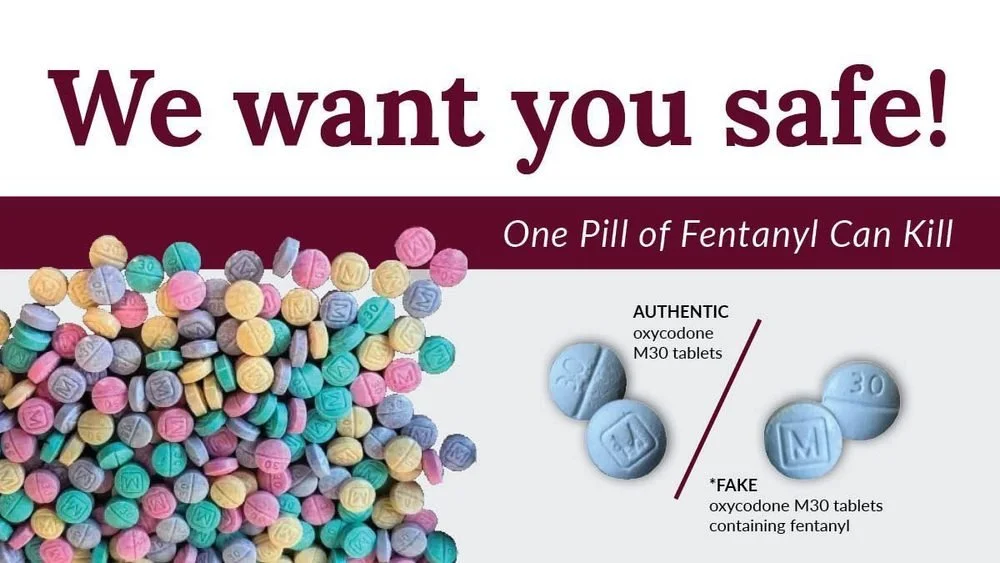
Fentanyl is more powerful than many other opioid drugs; even a small dose can cause a fatal overdose
It causes the majority of overdoses currently
It is made in a lab synthetically
IT IS HIGHLY ADDICTIVE
Counterfeit and illegal drugs have fentanyl added to decrease costs and boost profits
Dangers of Mixing Drugs
Most fatal overdoses involve the use of more than one type of drug
Alcohol + Cannabis
Alcohol + Stimulants
Heroin + Cocaine
Any substance + fentanyl
